.png)

What Does a Home Watch Visit Actually Include, and Why Detailed Reports Matter

What Does a Home Watch Visit Actually Include, and Why Detailed Reports Matter
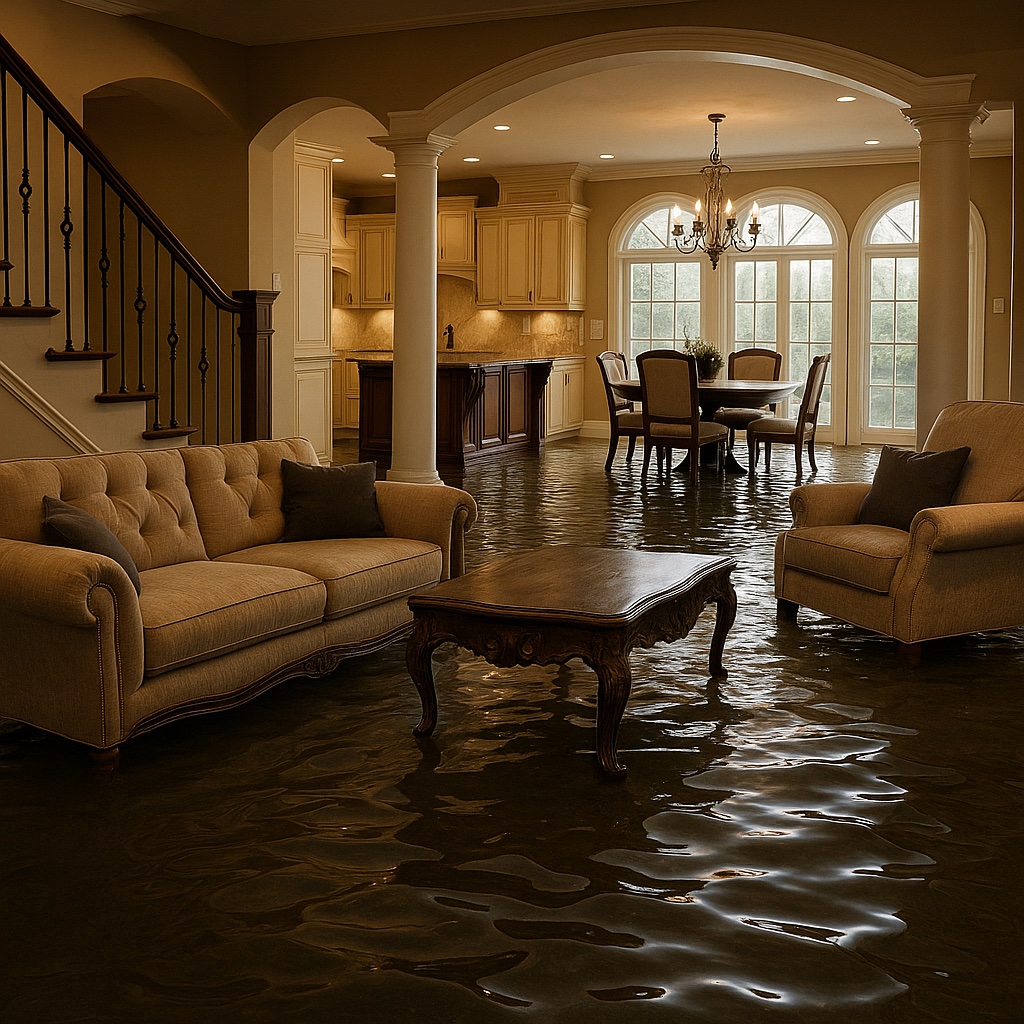
When homeowners leave their property unattended for weeks or months at a time—whether it’s a seasonal home, vacation property, or second residence—the assumption is often that “everything will be fine.” But homes are not static. Small issues can develop quickly, and without someone physically checking in, those small issues can turn into expensive repairs.
That’s where a professional Home Watch service comes in. But not all visits are created equal. Understanding what actually happens during a Home Watch visit—and why the reporting afterward is just as important as the inspection itself—can make the difference between prevention and damage.
What a Home Watch Visit Actually Includes
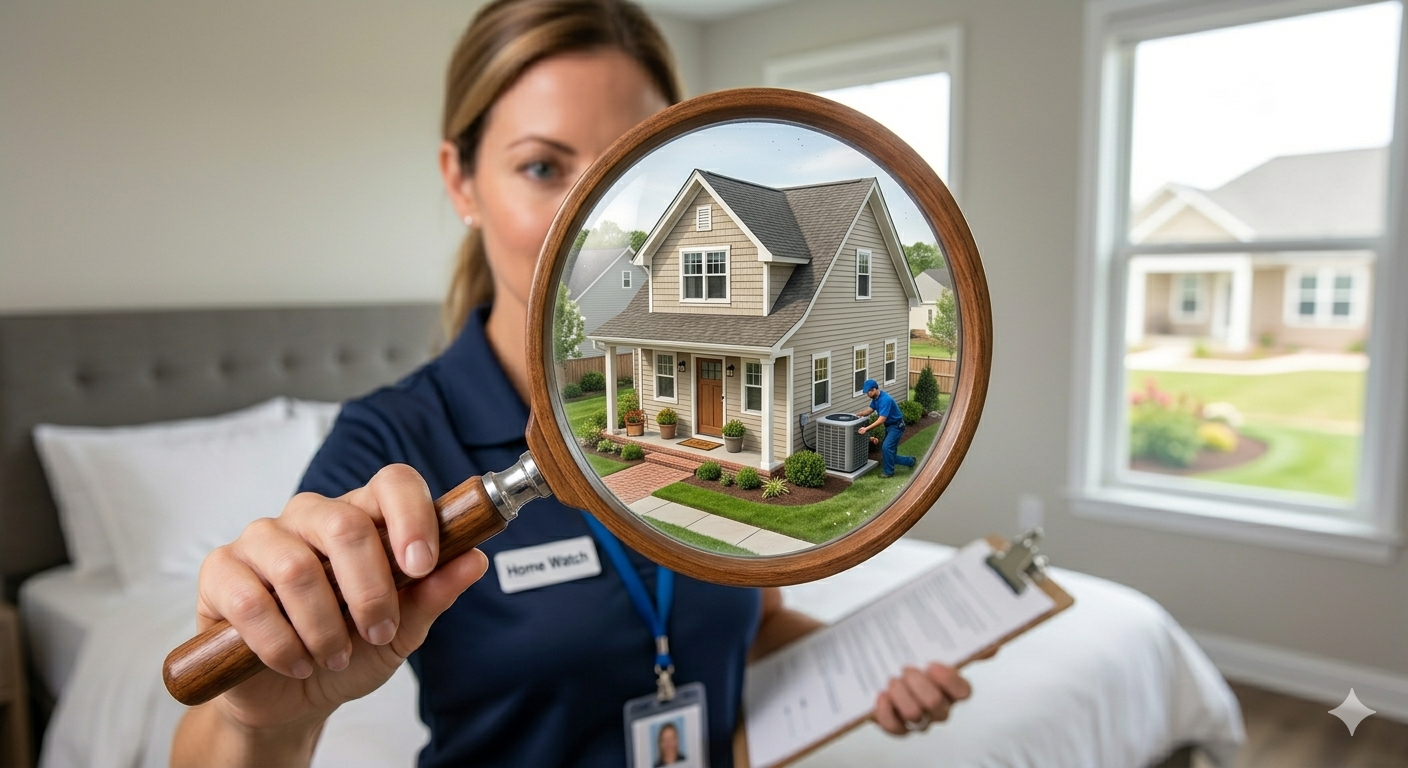
A true Home Watch visit is not a quick drive-by or casual glance. It’s a structured, inside-and-out inspection of the property designed to catch early warning signs of trouble.
While services vary, a professional visit typically includes:
1. Exterior Inspection
The outside of the home is your first line of defense, and it often shows problems before anything inside does. A visit may include checking for:
- Storm or monsoon damage (roof, tiles, gutters)
- Signs of forced entry or tampering
- Irrigation or landscaping issues
- Pool condition and equipment status
- Pest or animal activity
- Visible plumbing leaks or pooling water near the foundation
2. Interior Walkthrough
Inside the home, attention is given to systems and conditions that can silently fail:
- HVAC operation and thermostat settings
- Water leaks under sinks, around toilets, and near appliances
- Signs of mold, humidity, or moisture intrusion
- Refrigerator/freezer condition (if applicable)
- Electrical panel indicators or tripped breakers
- General security (windows, doors, alarms)
3. Systems Check
Depending on the service level, Home Watch providers may also:
- Run water through faucets to keep traps full
- Flush toilets to prevent drying seals
- Check for unusual odors or humidity changes
- Verify smart home systems are functioning properly
4. Post-Visit Security Reset
After inspection, the home is secured:
- Doors and windows are locked and verified
- Alarms are reset if applicable
- Any issues are noted and documented
Why Detailed Reports Matter More Than the Visit Itself
The visit is only half the service. The report is what turns observation into action.
A detailed Home Watch report should do more than say “everything looks fine.” It should give homeowners confidence, clarity, and documentation.
1. Early Problem Detection Saves Money
A small water stain under a sink today could become a full cabinet replacement in a few weeks. A detailed report with photos allows homeowners to act quickly—often before damage spreads.
2. Proof of Condition (and Peace of Mind)
When you’re away from your property, uncertainty is the real stressor. A proper report provides:
- Time-stamped documentation
- Photo evidence
- Clear notes on what was checked
- Confirmation that systems are functioning normally
That level of detail removes guesswork.
3. Insurance and Liability Support
If something does go wrong—like a leak, break-in, or storm damage—having a consistent inspection history can support insurance claims and demonstrate responsible property care.
4. Trend Tracking Over Time
One visit is a snapshot. Multiple reports create a timeline. Over time, patterns may emerge:
- Slow humidity increases
- Recurring pest activity
- HVAC inefficiencies
- Gradual plumbing deterioration
These patterns are only visible when reports are consistent and detailed.
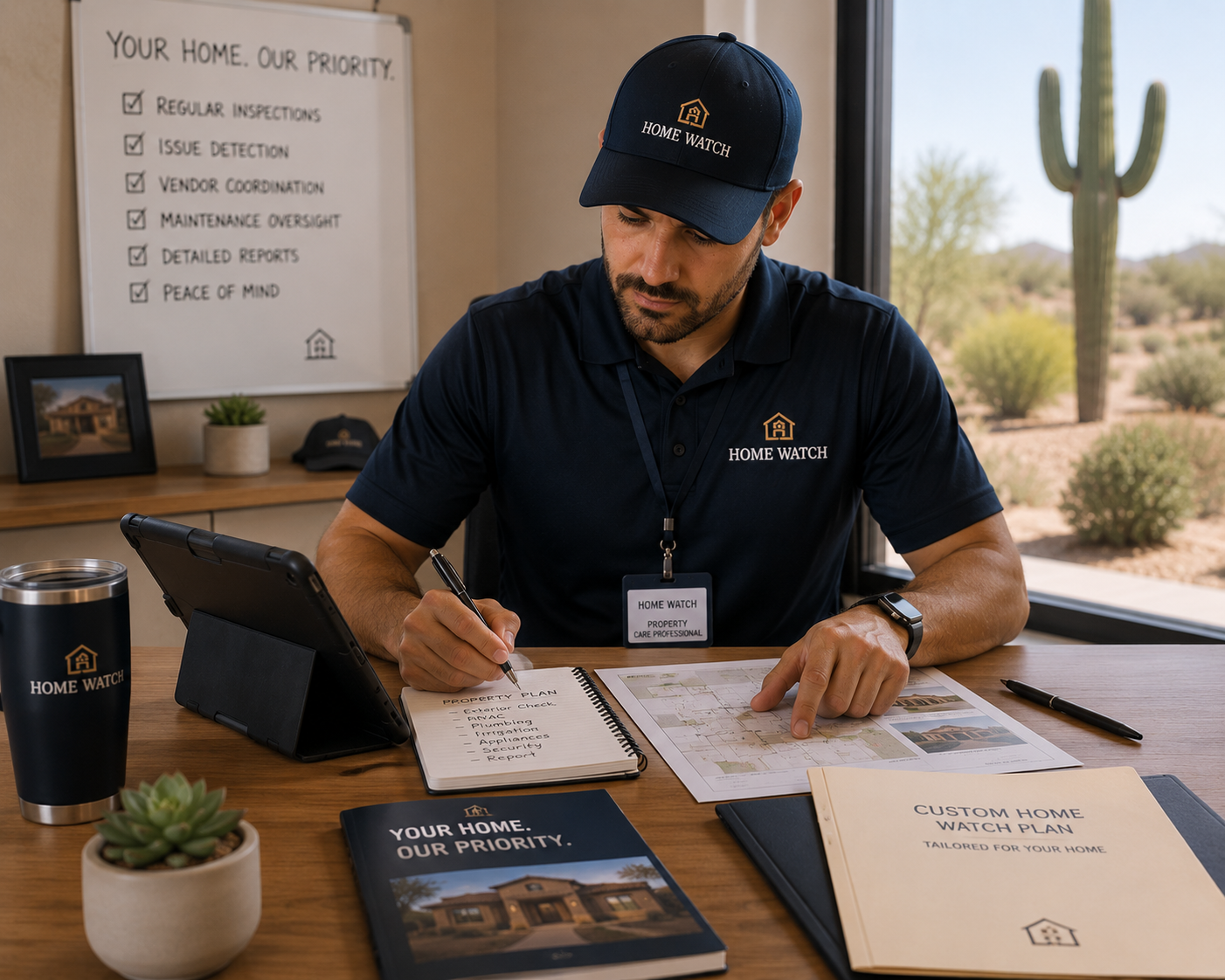
What a Strong Home Watch Report Should Include
Not all reports are equal. A quality report typically includes:
- Date and time of visit
- Checklist of inspected areas
- Photos (especially of anything unusual)
- Clear descriptions, not vague summaries
- Notes on any actions taken during the visit
- Recommendations for repairs or follow-up
If a report only says “checked home, all good,” it’s not providing real value.
The Bottom Line
A Home Watch visit is about more than simply “checking on a house.” It’s a structured process of identifying risks early, protecting property value, and giving homeowners confidence while they’re away.
But the real power of Home Watch isn’t just in the inspection—it’s in the documentation that follows. Detailed reports turn a routine visit into a record of protection, accountability, and proactive care.
For seasonal homeowners, that difference isn’t just helpful. It’s essential.

Because Your Home Deserves More Than a Check-In.